What is the real reason laser marking has replaced traditional processes?
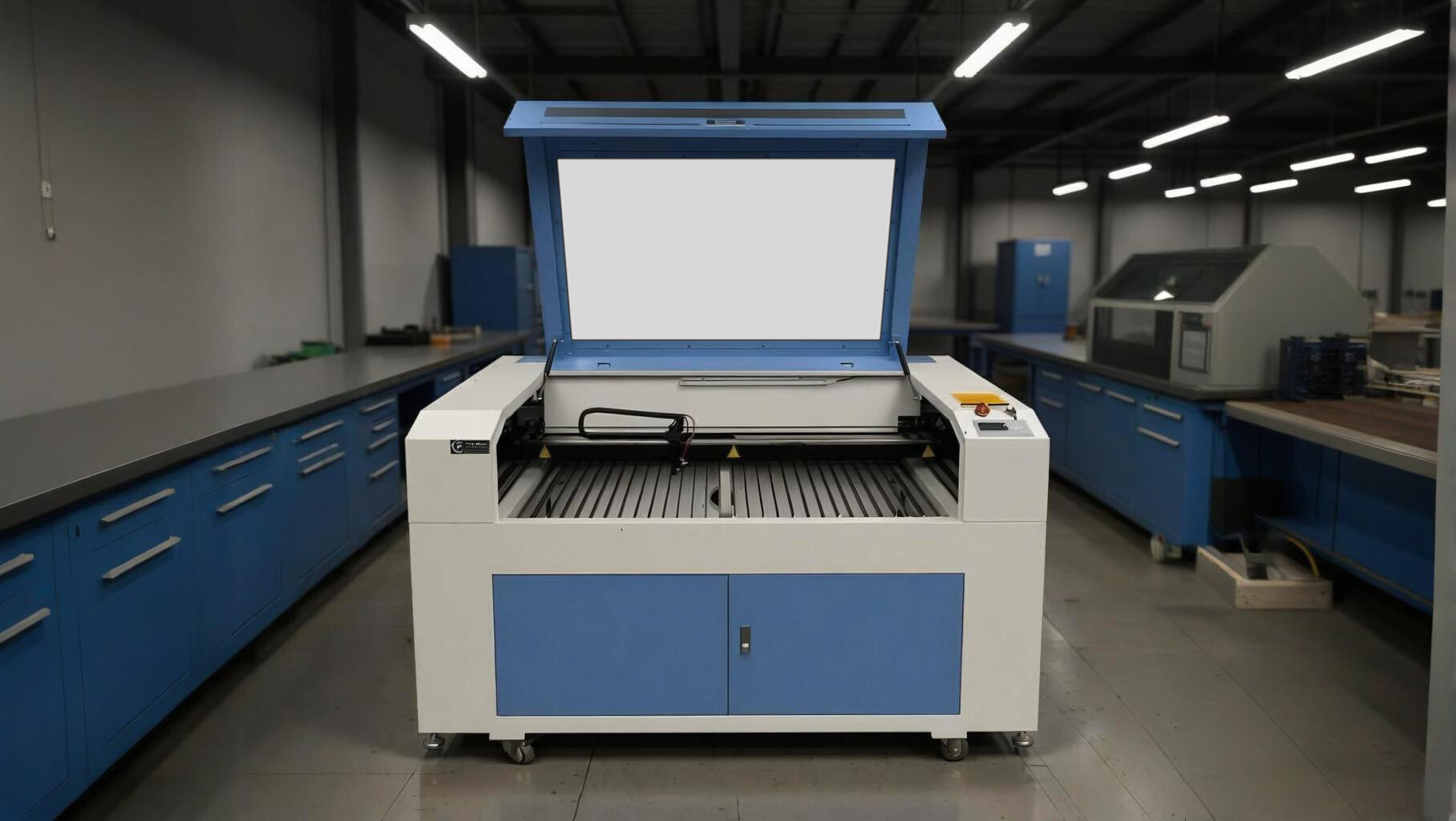
As the food industry continues to grow, demand for packaging machinery is rising. Shenzhen laser marking machines, a key piece of equipment in this sector, are increasingly used across various industries.

As the food industry continues to grow, demand for packaging machinery is rising. Shenzhen laser marking machines, a key piece of equipment in packaging, are seeing broader adoption across industries. Industry analysts note that these machines offer stable performance, high reliability, fast processing speeds, low power consumption, compact size, and wide applicability. With ongoing technological advancements, replacing inkjet coders with Shenzhen laser marking machines has become an emerging trend.
Inkjet coders can print on various pharmaceutical packaging sizes, displaying expiration dates, production batch numbers, manufacturer names, or promotional information. Their application in the pharmaceutical industry as food packaging equipment is growing rapidly. However, few domestic companies have achieved large-scale operations. Manufacturers currently use proprietary production standards without unified national regulations, leading to a market where inferior products coexist with high-quality ones.
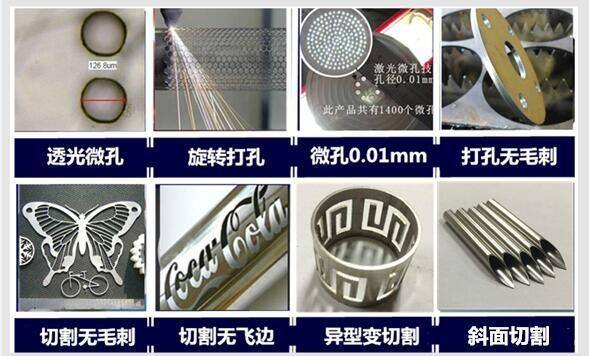
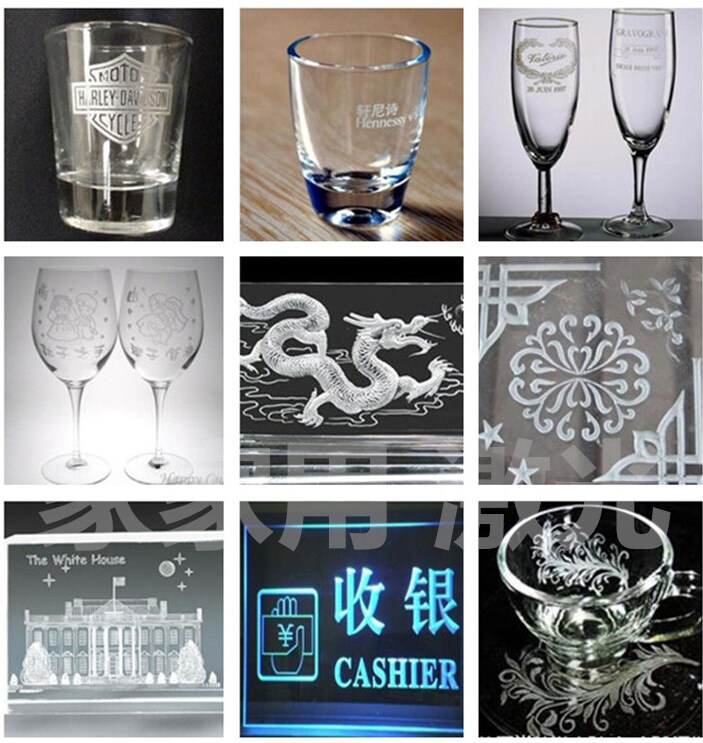
Compared to inkjet coders, Shenzhen laser marking machines require no nozzle cleaning or frequent consumable replacement. They are more eco-friendly than ink-based systems and significantly reduce operating costs. Laser-marked identifiers are sharper and permanent—resistant to smudging or removal. This effectively solves product diversion issues caused by unclear markings, becoming a key selling point in the market.
The emergence of laser marking machines in Shenzhen has narrowed the gap between China and developed nations in this field to some extent. However, to truly catch up, domestic companies must innovate and accelerate technological reforms. Based on current customer demands, future inkjet printers will trend toward low maintenance rates, high printing speeds, multi-content capabilities, easy automatic cleaning, and simple, quick operation. For the Shenzhen laser marking machine industry to continue growing, it must pursue internationalization, align with global laser marking markets, develop new products with independent intellectual property rights, and rapidly move from R&D to commercialization.
Shenzhen laser marking machine manufacturers should align with market demands by prioritizing product quality, maintaining integrity, and continuously enhancing performance. Future development should focus on faster printing speeds, greater content capacity, easy automatic cleaning, and simple, quick operation. With surging labeling requirements in the food industry and other sectors, laser coding machines hold immense growth potential.
Recommended News